
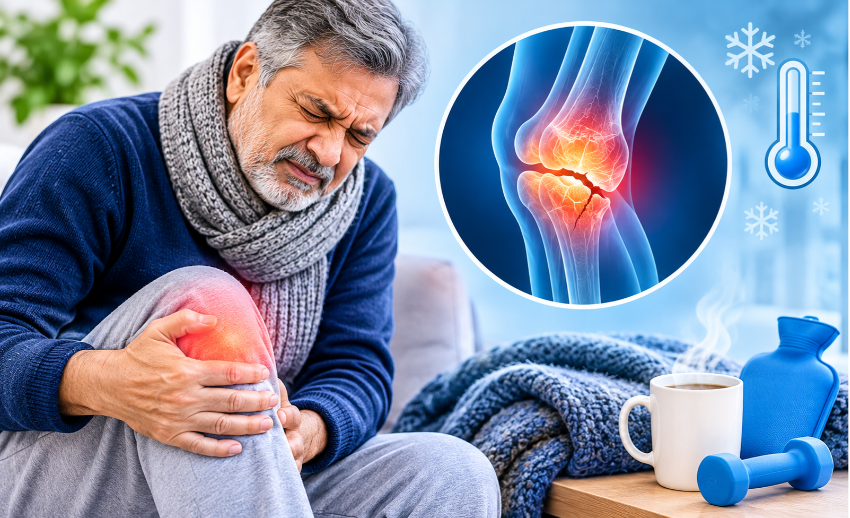
Why Do Old Fractures Hurt in Winter? Causes, Symptoms and Ways to Find Relief
Have you noticed pain or stiffness around a bone you broke years ago when the temperature drops? Many people experience old fracture pain in winter, even long after the injury has healed. It is more common around areas that needed surgery or had a severe fracture. Colder weather, less physical activity, joint stiffness and old soft tissue problems can all make the ache more noticeable. Cold weather does not usually damage a healed bone, but it can make existing discomfort easier to feel. Knowing the reason helps you manage symptoms and recognise when to see a doctor. Dr Abhijit Tayade explains the possible causes and practical ways to keep your bones and joints comfortable in winter.
Why Does an Old Fracture Hurt in Winter?
A healed fracture can ache in winter because cold weather tightens muscles, stiffens joints and reduces movement, which makes old injuries more noticeable. Scar tissue, nerve sensitivity and post-traumatic arthritis can add to it. The bone itself has usually not broken again. Persistent or worsening pain needs an orthopaedic check.
Understanding the Connection Between Old Fractures and Cold Weather
A fracture happens when a bone breaks because of an injury, accident or underlying bone weakness. Even after the bone heals, the muscles, ligaments, nerves and joints around it can stay changed.
This is one reason old injury pain in cold weather can occur. Lower temperatures may increase muscle tightness, joint stiffness and reduced flexibility, and people with earlier injuries often notice these changes first.
It is important to know that there is no conclusive evidence that cold temperatures directly make a completely healed fracture painful again. Research on weather and pain is mixed, but many patients do report more discomfort in winter, so the complaint is real and worth taking seriously.
Common Reasons Behind Winter-Related Fracture Discomfort
Muscle and Joint Stiffness
Cold weather can make muscles feel tighter, especially when you move less. This can increase discomfort around an area that was injured before.
Reduced Activity and Blood Circulation
People usually spend more time indoors in winter. Less movement leads to stiffness and weakness, and an old injury site can feel uncomfortable as a result.
Scar Tissue and Soft Tissue Damage
Many fractures also injure nearby muscles, tendons or ligaments. Scar tissue or tightness in these tissues can ache or feel pulling when the weather turns cold.
Nerve Sensitivity
Some fractures involve nearby nerves. Leftover nerve sensitivity can cause tingling, burning or aching pain even after the bone has healed.
Arthritis and Post-Traumatic Changes
A fracture that involved a joint can raise the risk of post-traumatic arthritis later. Cold weather may make the stiffness and pain of this arthritis feel worse.
Plates, Rods and Screws
Some people who had surgery with metal implants say the area feels colder or achier in winter. There is no strong proof that implants themselves react to cold, but the surgical scar and surrounding tissue can feel stiff. Tell your doctor if you notice persistent pain or discomfort near an implant.
Lower Vitamin D in Winter
Less sun exposure in winter can lower vitamin D levels in some people, and low vitamin D can contribute to bone and muscle aches. A blood test can show whether this applies to you.
Who May Notice It More?
Old fracture pain in winter is more often reported by older adults, people who had joint fractures or surgery, people with osteoporosis or arthritis, and those who are less active in colder months.
When Old Fracture Pain Needs Medical Attention
Occasional mild stiffness is usually not serious. Persistent or worsening pain should not be ignored.
Consult an orthopaedic specialist if you have:
- Increasing pain around the old fracture
- Swelling, redness or unusual warmth
- Difficulty walking or moving the nearby joint
- Numbness, tingling or weakness
- Pain at night or at rest
- Pain that interferes with daily activities
Sudden severe pain, significant swelling, visible deformity or inability to bear weight needs prompt medical assessment.
How Is Old Fracture Pain Evaluated?
Your doctor will ask about the original injury and treatment, examine movement, strength and sensation, and may suggest an X-ray or other tests to check bone healing, joint changes or implant position. Treatment then depends on the cause.
Effective Ways to Reduce Bone and Joint Discomfort in Winter
Simple lifestyle steps can help with mobility and comfort:
- Stay physically active: Walking and gentle stretching reduce stiffness.
- Keep the area warm: Warm clothing, layers and warm compresses can give temporary comfort.
- Warm up before activity: A few minutes of gentle movement in the morning helps before you start your day.
- Eat a balanced diet: Include calcium and vitamin D foods. See our guide on what to eat for fast fracture healing.
- Stay hydrated: Enough water supports normal muscle function.
- Increase exercise slowly: Avoid sudden strenuous activity to prevent strain.
- Prevent falls: Wear footwear with a good grip and take care on wet or slippery floors, since winter falls can lead to new injuries.
How to Reduce Bone Pain in Winter Through Safe Exercise
Gentle movement helps maintain flexibility and muscle strength. Depending on your old injury, suitable options may include walking, stationary cycling and exercises recommended by your physiotherapist.
Avoid exercises that cause sharp pain or put heavy pressure on the injured area. If discomfort continues, get professional advice before carrying on.
Old Fracture Pain Home Remedies for Everyday Comfort
Some home measures may help with mild stiffness and discomfort:
- Apply a warm compress for 15 to 20 minutes. Make sure it is not too hot, and use a cloth between the compress and your skin.
- Try gentle range-of-motion exercises after checking with a healthcare professional.
- Wear supportive footwear if the old fracture was in the leg or ankle.
- Maintain a healthy weight to reduce stress on weight-bearing joints.
Be extra careful with heat if you have reduced sensation in the area or conditions such as diabetes, since burns can happen without you noticing. Do not fall asleep on a heating pad. Avoid taking painkillers for a long time without medical advice.
These measures give symptomatic relief but cannot treat problems such as improper bone healing, arthritis or nerve damage.
Conclusion
Pain around a previously fractured bone in winter can be frustrating, but it does not necessarily mean the fracture has reopened. Muscle stiffness, reduced activity, joint changes, scar tissue and past soft tissue injury can all contribute. Finding the cause is important for choosing the right treatment. Dr Abhijit Tayade, an orthopaedic specialist, can assess persistent fracture-related pain and recommend suitable management. Do not ignore recurring symptoms, especially when they affect your movement or daily routine.
Experiencing recurring pain from an old fracture? Consult Dr Abhijit Tayade for an orthopaedic evaluation and guidance on managing bone and joint discomfort. Book an appointment
Frequently Asked Questions
1. Can an old fracture hurt years after healing?
Yes. Earlier soft tissue damage, nerve sensitivity, joint stiffness or post-traumatic arthritis can cause discomfort even years after a fracture has healed. Persistent pain needs medical evaluation.
2. Does cold weather make old fractures painful?
Cold weather can increase muscle tightness and joint stiffness, making pain around an old injury more noticeable. Cold temperatures do not generally cause a healed bone to break again.
3. How can I reduce old fracture pain during winter?
Keep the area warm, stay active, do gentle exercises and eat a balanced diet. See an orthopaedic specialist if the pain continues or gets worse.
4. Are warm compresses helpful for old fracture pain?
Warm compresses can temporarily ease muscle tightness and stiffness. Apply moderate warmth for 15 to 20 minutes and avoid excess heat, especially if sensation in the area is reduced.
5. When should I consult an orthopaedic doctor for old fracture pain?
Consult an orthopaedic doctor if pain is persistent, swelling develops, movement becomes difficult or symptoms interfere with daily activities. Sudden severe pain or inability to bear weight needs urgent assessment.