Fracture Healing Time: How to Recover Faster After a Bone Fracture
Bone fractures can occur from a fall, sports injury, road accident or sudden impact and can occur to anyone! Most fractures heal well if they are cared for appropriately, but they take time and require patience. Fracture healing time varies depending on many factors, including age, general health, fracture type and protection of the injured fracture during healing. With proper treatment, the bone should heal properly and reduce the likelihood of future issues.
Healing Time from Fractures
Most simple bone fractures take about 6-8 weeks to heal. But if the bone is very large or the fracture is complicated, it can take 3-6 months or more. Children heal more quickly than adults, which is why they recover faster. Several medical conditions, including diabetes, smoking, poor nutrition and weak bones, can slow the healing process.
What Makes Fractures Heal Quickly?
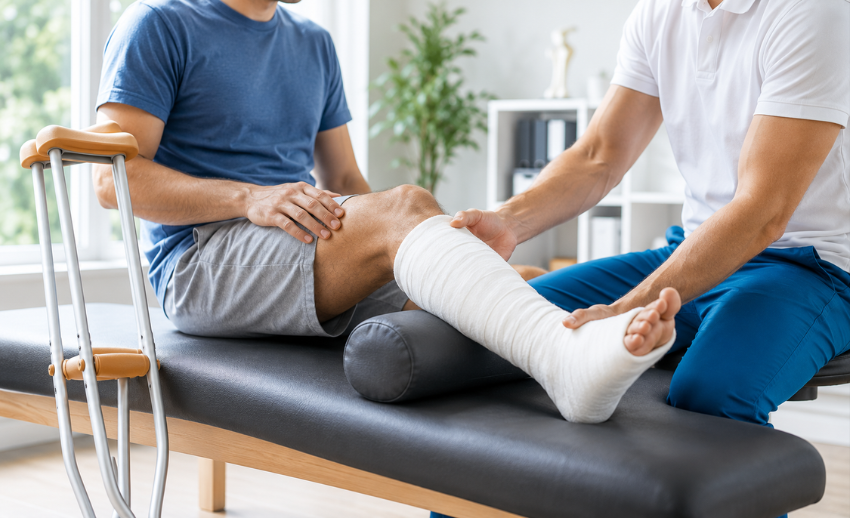
The recovery will be healthy if a few key points are followed. If your doctor gives you instructions, it is most important that you follow them. Ensure the injured body part is supported with a cast, brace or splint (if advised). Do not apply undue pressure to the damaged bone until your doctor says it is safe to do so.
A nutritionally balanced diet is also a major factor. Calcium, vitamin D, protein and vitamin C promote bone healing. Hydration and adequate rest will provide the body with the energy it requires to help repair damaged bone tissue.
Treatment with gentle exercise and physiotherapy begins at the appropriate time of recovery to enhance blood flow, flexibility and strength. Such exercises should be done only with medical supervision.
Common Mistakes That Can Slow Down Healing
Many people attempt to jump back into life prematurely. This can lead to delayed healing or a second break. Smoking decreases blood supply to the bones, so they take longer to heal. Failure to attend follow-up appointments or to do the rehabilitation exercises can also impact the outcome.
Seek medical attention immediately if you notice an increase in pain, swelling, redness, fever or numbness, as this may be signs of complications.
When is it Time to See an Orthopaedic Specialist?
Certain fractures need special attention, particularly those with displacement, those affecting the joints, and those that have failed to heal. If the diagnosis and treatment are incorrect, it is best to consult an Orthopaedic surgeon in New Delhi. If the knee injury occurs during childhood, for example, in a sporting injury, or if there is a joint-related fracture, an arthroscopic surgeon in Delhi might recommend a minimally invasive procedure when necessary. In the case of a shoulder injury, the best shoulder specialist in Delhi can guide appropriate treatment. For complex fractures, it is best to have them treated by a top orthopaedic doctor in Delhi for the best recovery.
Conclusion
Good treatment, healthy habits, and periodic follow-up are essential to shorten the duration of fracture healing and facilitate the return to movement. Dr Abhijit Tayade, one of the best orthopaedic doctors in Delhi, is dedicated to providing patients with evidence-based fracture care and orthopaedic treatment to help them recover safely and maintain their long-term bone health.