PRP Therapy in Orthopedics: Benefits, Risks & Who Should Consider It
Platelet-Rich Plasma (PRP) therapy is an orthopaedic treatment that is gaining attention as a non-surgical option. It exploits the natural healing faculties of the human body to restore damaged tissues, thereby making it a choice for many patients facing joint pain, tendon injuries, and other sports-related complications.
What is PRP Therapy?
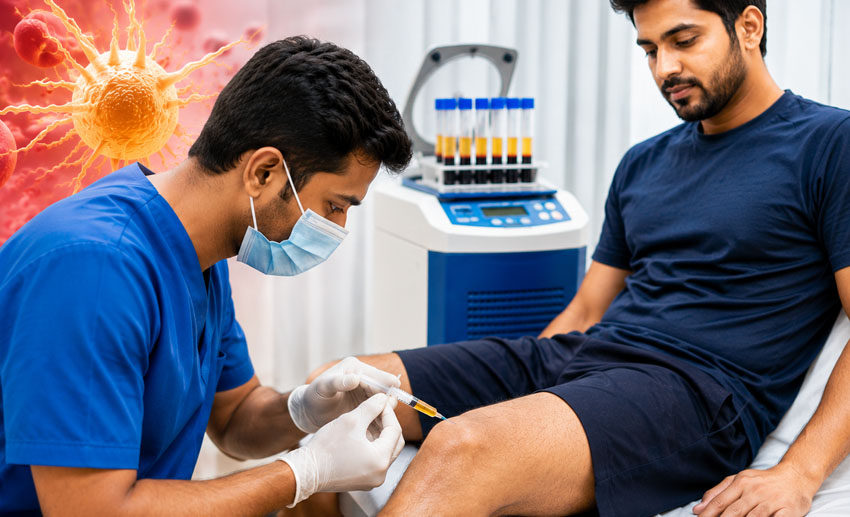
PRP therapy entails the collection of a little bit of the patient’s blood, processing it to extract platelets and injecting it into the affected part. Platelets also have growth factors, which aid in the repair and regeneration of tissues. An orthopedic specialist or a sports injury specialist in Delhi would normally use this treatment on conditions which do not heal easily.
Benefits of PRP Therapy
The least invasive nature of PRP therapy is one of the greatest benefits of this type of treatment. As it involves the use of the patient’s own blood, the chances of an allergic reaction or infection are extremely low.
PRP is often used to treat:
- Tennis elbow injury of the tendons.
- Ligament sprains
- Early-stage arthritis
- Muscle injuries
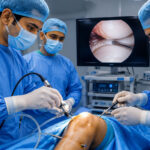
Research indicates that PRP has the potential to heal faster and relieve pain in some ailments. It is particularly applicable to active people and athletes who do not wish to have surgery and heal more quickly. PRP is often seen by many patients in whom an arthroscopic surgeon in Delhi acts as an initial treatment before they resort to surgical operations.
Risks and Limitations
PRP therapy is considered to be neither harmful nor entirely safe. Mild pain, swelling or stiffness of the area of injection may occur in some of the patients. All these side effects are normally taken up in a short time.
The other weakness is the fact that PRP is not universal. Its efficacy is determined by factors such as age, the extent of the injury, and general health. In case of serious joint injury or severe arthritis, some surgical treatment recommended by the best arthroscopy doctor in Delhi can prove to be more effective.
Also, it is necessary to note that PRP is still under investigation, and although it may help many patients, outcomes may vary.
Who must be a candidate for PRP Therapy?
PRP therapy is suitable in the case of the following:
- Suffers from chronic tendon/ligament injury.
- Desire to postpone/ evade surgery.
- Not responding properly to drugs or physical therapy.
- Is physically active and requires faster recovery.
The patients usually consult the arthroscopic surgeon in Delhi in order to know which one is better, PRP or surgery.
Conclusion
PRP is an exciting and natural method of case treating orthopedic injuries. Although it is not suitable to substitute surgery in severe cases, it is a viable therapy for a number of patients when applied at the appropriate stage.
In order to get informed about the advanced orthopedic treatment and customized ways of treatment, visiting such professionals as Dr. Abhijit Tayade may assist in making the right choice concerning the specifics of the health condition and the long-term recovery process.