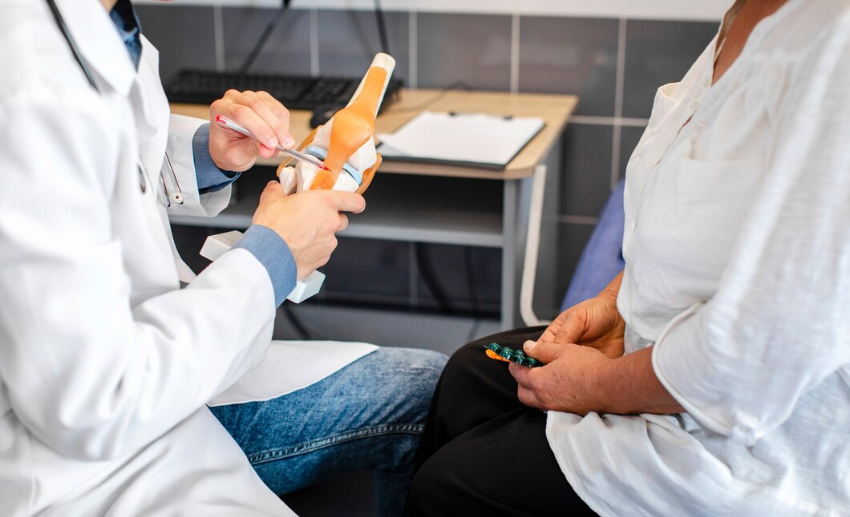
When Should You Consider For a Knee Replacement Surgery?
Knee pain is among the most frequent causes that make people have difficulty in most of their daily chores such as walking, stepping stairs, and even getting out of bed. In most cases, medicines, physiotherapy, and lifestyle change are effective with the patient; however, in some cases, they cease to offer relief. The information on when to think about knee replacement surgery will guide you to make a right decision at the right time.
Knee Replacement Surgery: What to Know?
In knee replacement surgery, destroyed portions of the knee dislocation are eliminated and substitutes with man-made sections. This is typically recommended in case of weariness of the cartilage and the rub of the bones with one another, with the resultant pain and stiffness. The condition is the most common in severe osteoarthritis, rheumatoid arthritis, or knee trauma.
Symptoms of Knee Replacement
1. Persistent Knee Pain
In case knee pain persists months after frequent treatment, it can be a sign of severe damage of the joint. Sleep disturbance or impaired ability to engage in basic activities such as standing and walking are some of the main warning indicators of pain.
2. Decreased Elderly Mobility and Stiffness
Inability to bend or straighten the knee, particularly in the morning or following prolonged sitting positions may be an indication of joint degeneration. Surgery can be an option when stiffness is a problem in regard to day-to-day independence.
3. Unresponsive to Non-Surgical interventions
Pain killers, injections, braces, weight loss and physiotherapy are some of the treatments that can usually assist in the early stages. When these steps are no longer helping the condition, perhaps, it will be time to consider surgical intervention with an orthopedic expert.
4. Deformity Around the Knee
Bowing or knock-knee can be seen when the arthritis has deteriorated. This displacement increases additional strain on the joint and in most cases this may not be corrected with surgery.
Who Requires Knee Replacement?
Replacement of the knee is more prevalent among individuals over the age of more than 60 years, although such age is not the limiting factor. Surgery can also be necessary among the young people with severe arthritis, sports injuries, or trauma. The patients who address an orthopedic knee specialist or a best doctor of knee replacement surgery in Delhi or a top knee replacement surgeon in Delhi are typically evaluated on the basis of the severity of pain, joint damage, and quality of life in lieu of age.
Benefits of Timely Surgery
Literature demonstrates that over 90 percent of patients report to have experienced remarkable relief of pain and mobility following knee replacement. The use of modern implants should last 15-20 years or the life of the implants when well taken care of. Further damage to the joint and muscle weakness may be avoided by early intervention as recommended by a best orthopaedic surgeon in Delhi, or an expert orthopedic surgeon in Delhi.
Making the Right Decision
Knee replacement is a big choice and must be taken after giving a close consideration. Clinical examination, as well as imaging tests such as X-rays or MRIs, can be used to identify the level of damage.
Conclusion
Surgery involving Replacement of knee joints is normally used where the pain is persistent, mobility is restricted and conservative therapies are no longer effective. The aim is not pain relief, but rather moving and recovering the quality of life. Evidence-based orthopedic care is provided by Dr. Abhijit Tayade who can advise patients on their need to use knee replacement or not because he will provide clear medical guidance.