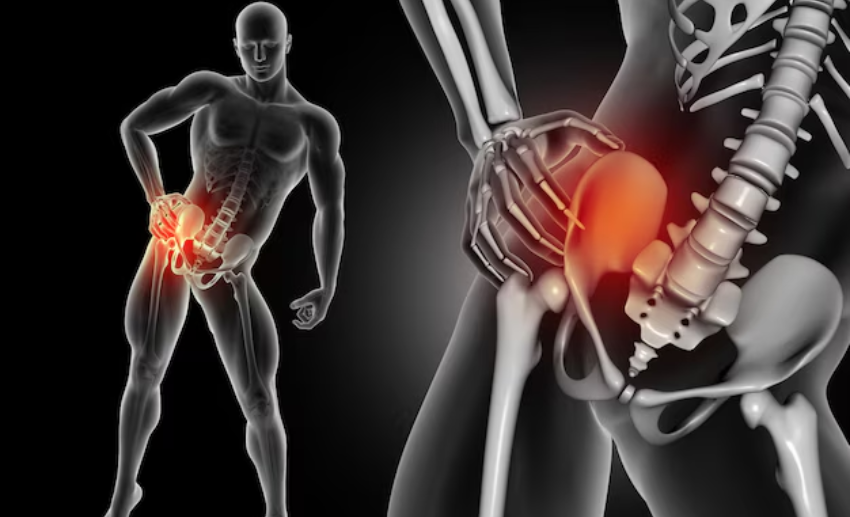
Do You Need a Hip Replacement? Signs, Surgery & Recovery Explained
Pain in the hips may slowly creep in the daily life. What may start with a little stiffness may develop into a state of constant pain in the form of walking, sleeping or even sitting. The hip replacement surgery is the last resort of many people who have tried to get cured through other methods after months or years. Learning the signs of the need of a hip replacement, its mechanism, and the way a recovery should look like will assist you in making informed choices.
What Is a Hip Replacement?
Hip replacement is a surgical operation during which a damaged section of the hip joint is substituted with some artificial components that are composed of metal, ceramic, or medical-grade plastic of high strength. Such implants are made to move in a natural joint. The surgery has been most frequently advised whenever there is a severe wear of the hip joint caused by arthritis or injury and the joint does not respond to non-operative treatment.
Universal Symptoms of Hip replacement
The issue with hips tends to progress over time. Doctors are looking at such signs:
- The pain in the hip or the groin even after resting or taking medication.
- Poor mobility, including the inability to bend, walk, or climb the stairs.
- Sleep disturbance characterized by pain, particularly on the affected side.
- Rigidity following sitting or getting out of bed, which does not or slows down gradually.
- Poor quality of life, in which everyday activities are either tiresome or painful.
Hip replacement causes such conditions as osteoarthritis, which is almost 90 percent of hip replacement in the world based on orthopedics research data. Severe hip damage can also be caused by injuries, fractures and some joint disorders.
When Is Surgery Considered?
Surgery is not the initial procedure. Before doctors recommend an operation, they usually attempt prescription of pain relief medicines, physiotherapy, weight management measures and modification of activities. A hip replacement is something to consider in case pain is persistent and when the joint is damaged as can be seen in X-rays or scans, and life is very much altered.
Individuals who visit an orthopedic surgeon in Delhi or a doctor of hip replacement in Delhi are frequently judged on the basis of pain severity and the condition of the joint besides the general health and not just on the basis of age.
The course of Hip replacement surgery
The process usually takes 1-2 hours. The bone and cartilage that are damaged are removed and the artificial joint is fitted. Surgical procedures and better implants have been developed to improve the procedure and make it safer, and last longer, and many hip replacements are between 15-20 years or more.
Life After Surgery and Recovery
The majority of the patients start walking aided within a day or two following surgery. The length of hospital stay is anywhere between 3 to 5 days. The recovery may take a period of 6-12 weeks depending on the fitness and adherence to physiotherapy.
Frequent exercises are useful in regaining strength and motion. A lot of individuals come back to their normal routine with a lot less pain and are mobile. Recovery guidelines are mostly positive, and long-term outcomes are positive
Conclusion
Clinical intuition and a patient-centered approach towards orthopedic services and treatment are the two features that define Dr. Abhijit Tayade as a reputable orthopedic specialist in South Delhi, who is experts in joint replacement and general orthopedic services. His style focuses on proper diagnosis, sound judgement and future joint health.